
UAL LEVEL 2 DIPLOMA
ART & DESIGN
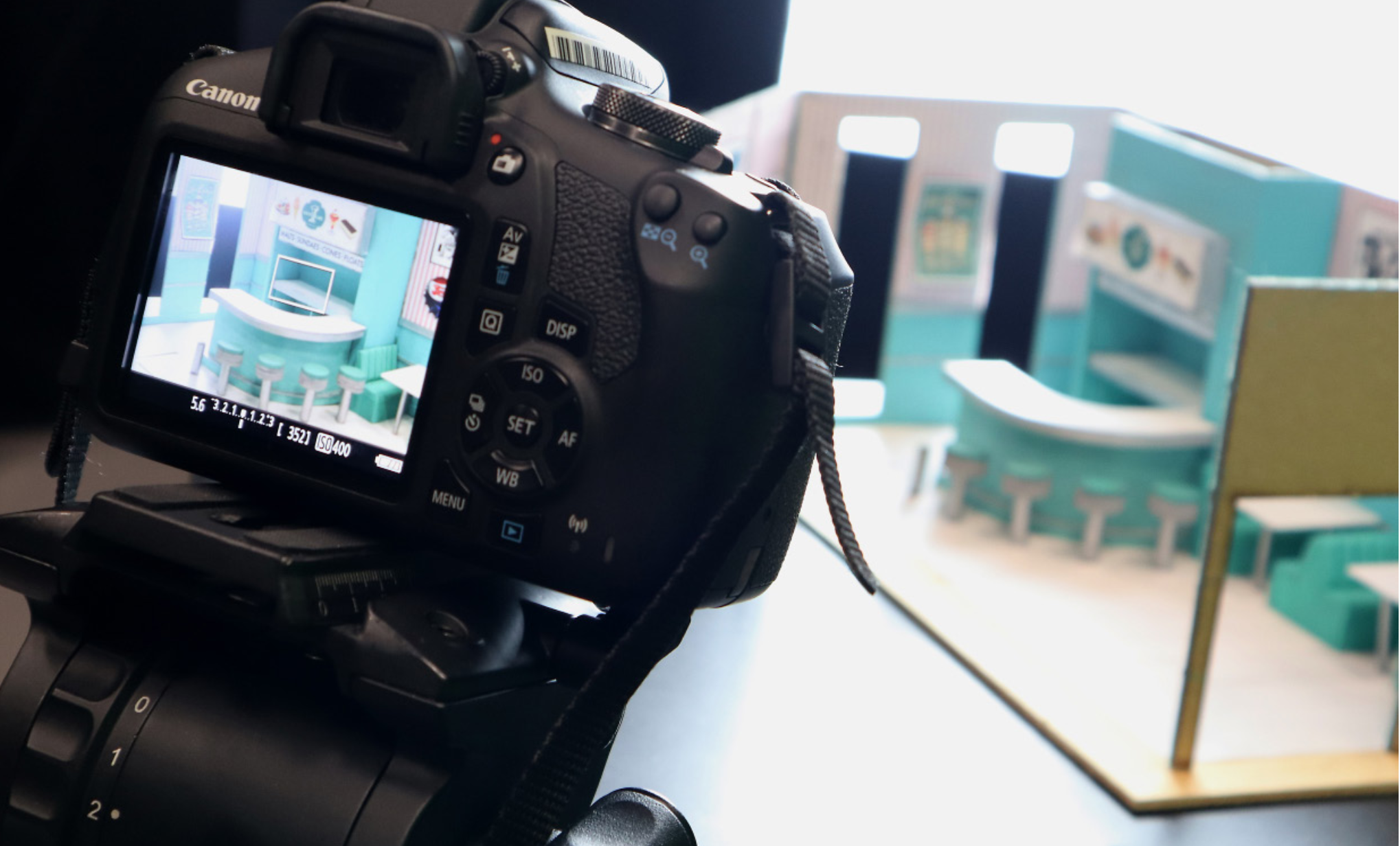
UAL LEVEL 2 DIPLOMA
PRODUCTION ARTS
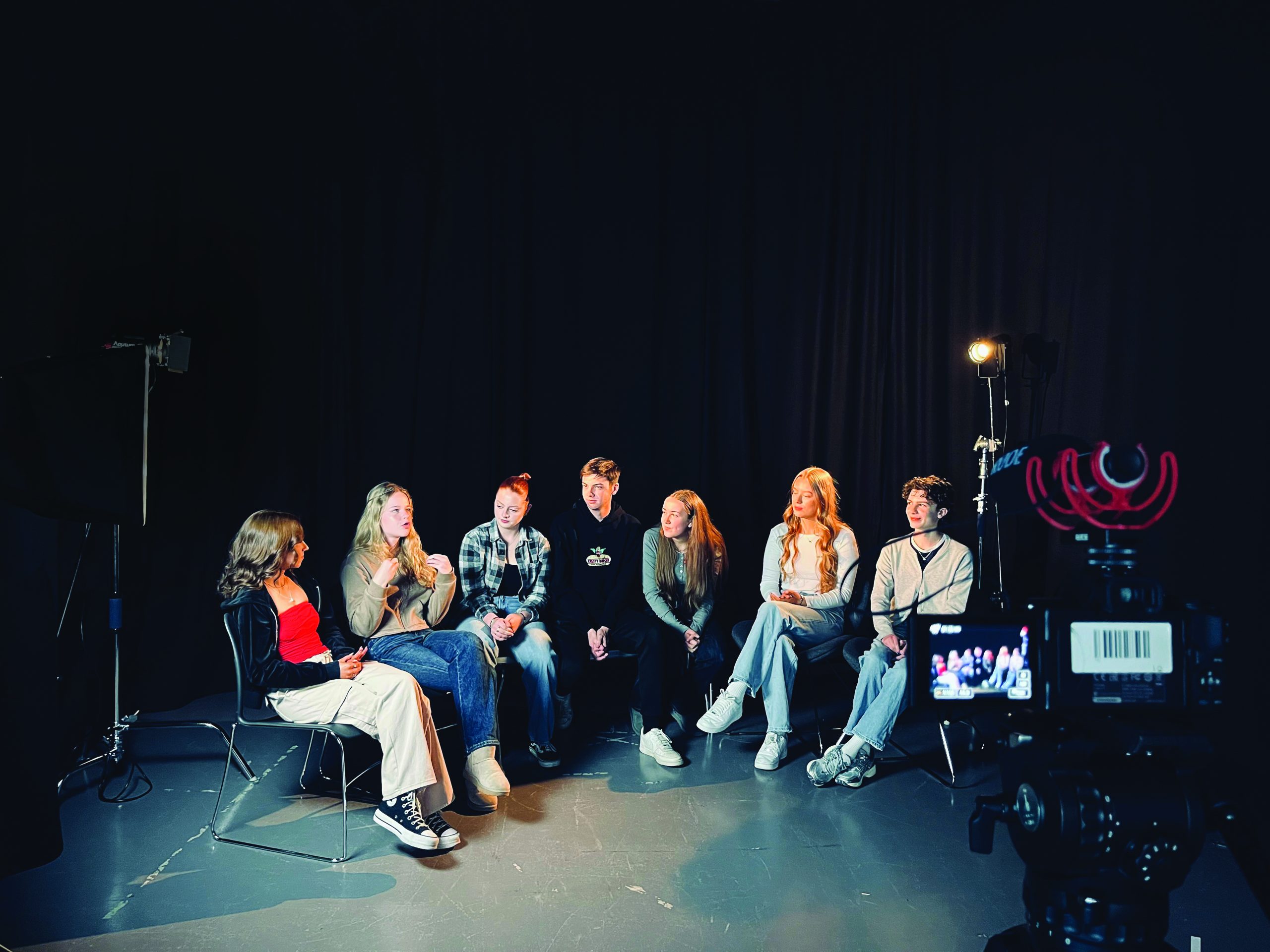
UAL LEVEL 2 DIPLOMA
ACTING FOR STAGE & SCREEN
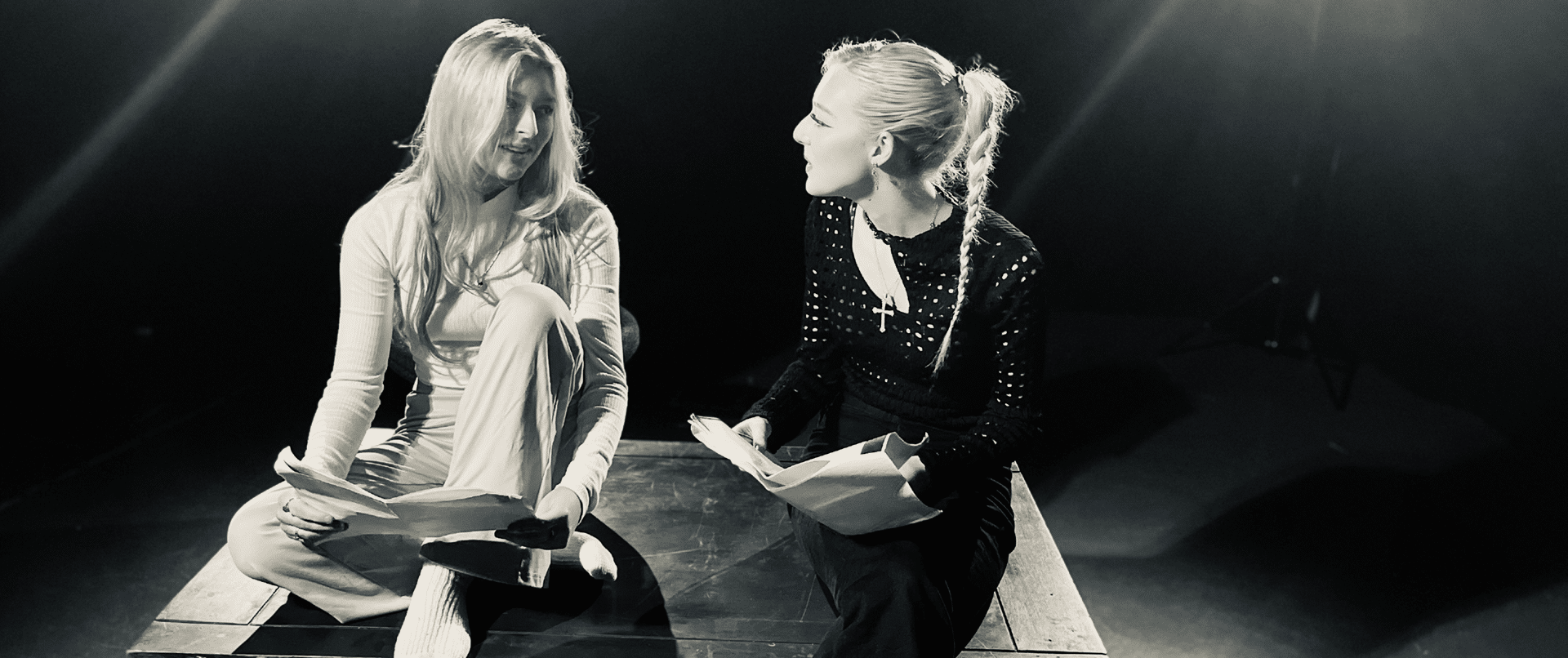
UAL LEVEL 3 EXTENDED DIPLOMA
ACTING FOR STAGE & SCREEN

UAL LEVEL 3 EXTENDED DIPLOMA
ART & DESIGN

UAL LEVEL 3 EXTENDED DIPLOMA
COSTUME DESIGN

UAL LEVEL 3 EXTENDED DIPLOMA
FASHION
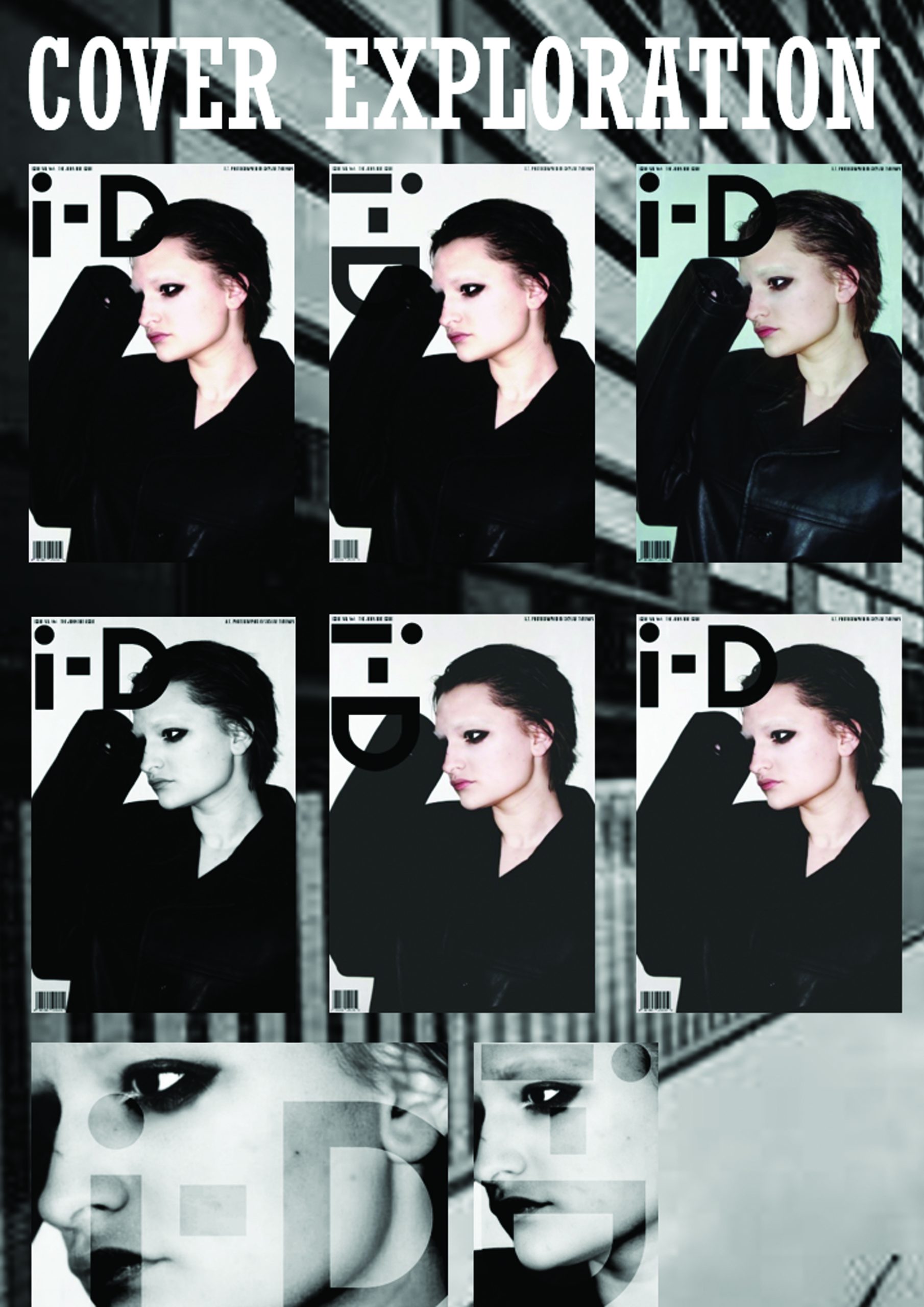
UAL LEVEL 3 EXTENDED DIPLOMA
FASHION MARKETING & COMMUNICATIONS
UAL LEVEL 3 EXTENDED DIPLOMA
FILM & TV PRODUCTION
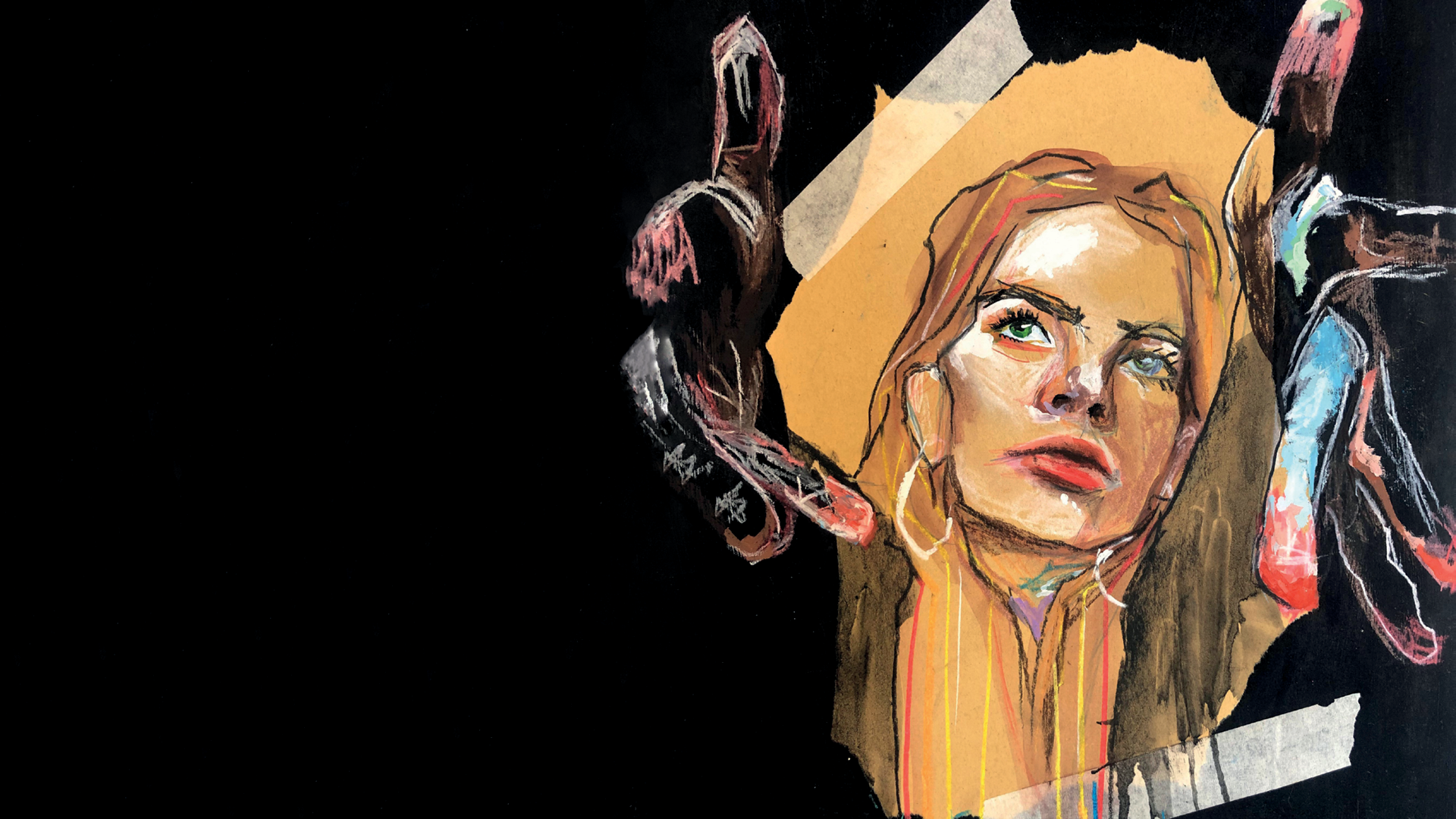
UAL LEVEL 3 EXTENDED DIPLOMA
FINE ART

UAL LEVEL 3 EXTENDED DIPLOMA
GRAPHIC & DIGITAL DESIGN
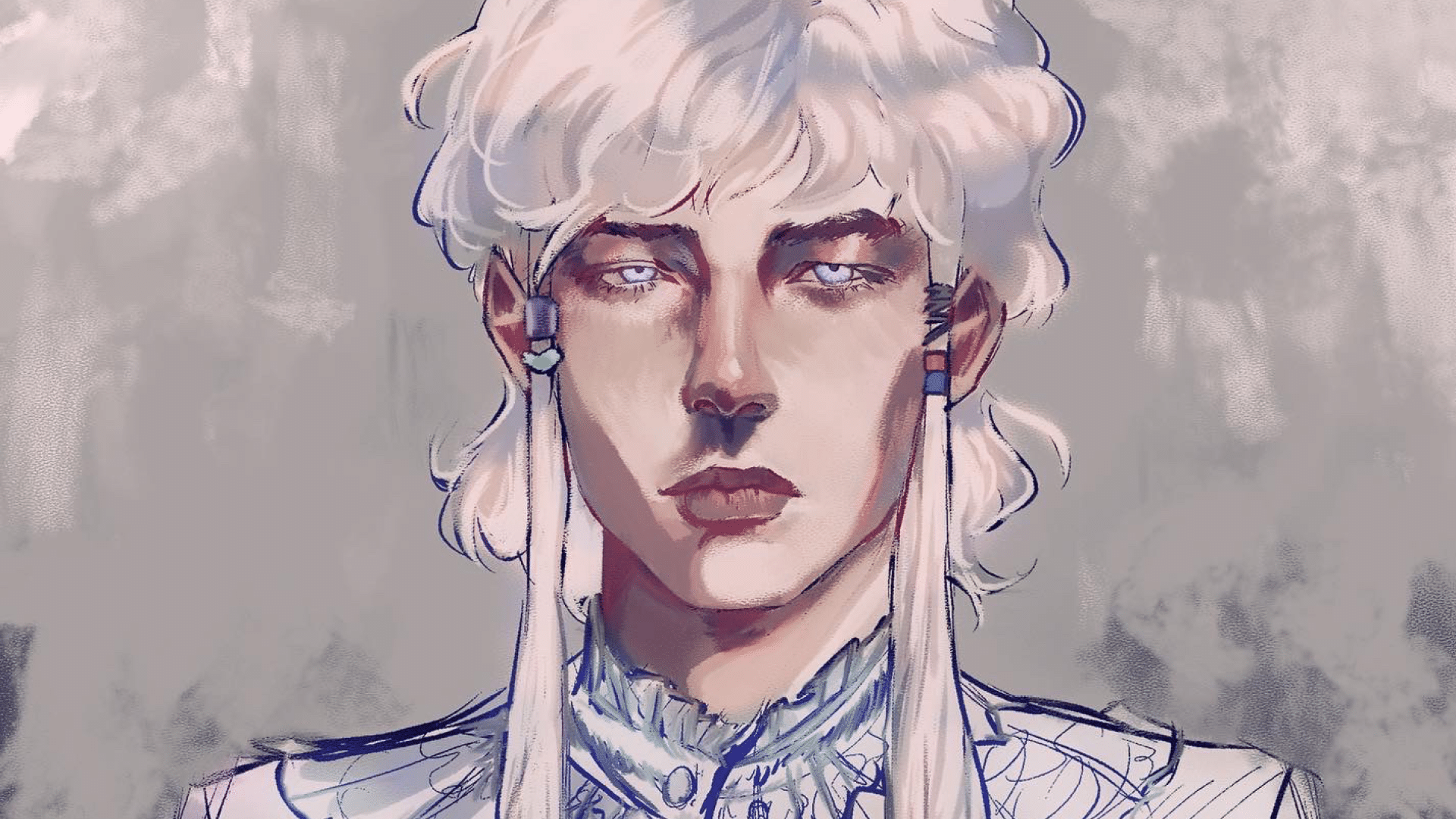
UAL LEVEL 3 EXTENDED DIPLOMA
ILLUSTRATION & ANIMATION
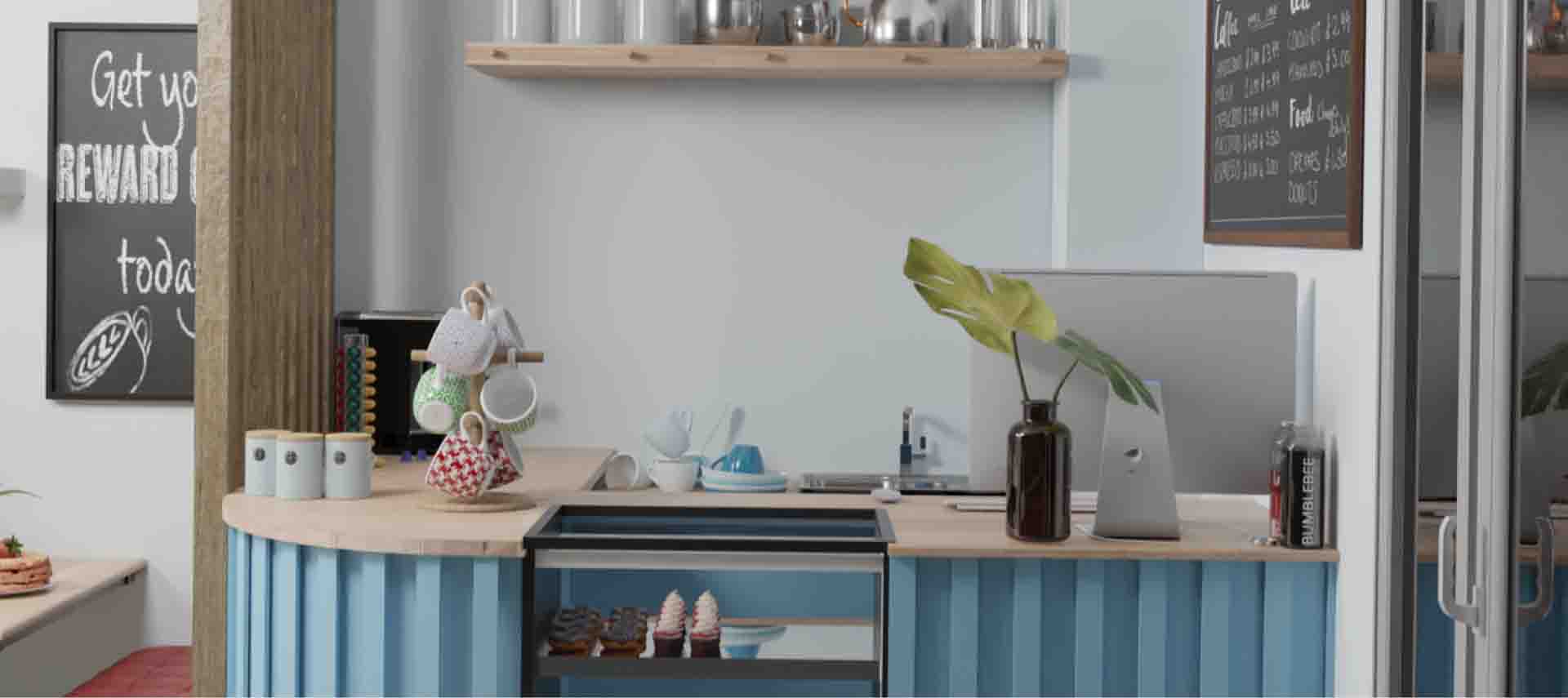
UAL LEVEL 3 EXTENDED DIPLOMA
3D DESIGN (INTERIORS, ARCHITECTURE & PRODUCTIONS)

UAL LEVEL 3 EXTENDED DIPLOMA
PHOTOGRAPHY

UAL LEVEL 3 EXTENDED DIPLOMA
TEXTILES & SURFACE DESIGN
STUDENT FREQUENTLY ASKED QUESTIONS...
What is a specialist art school for Further Education?
A specialist arts school focuses entirely on creative subjects such as film, theatre, design, costume and visual arts. This allows for practical teaching, specialist facilities and strong industry links.
The Northern School of Art offers FE courses designed to help students develop real creative skills, build confidence, and prepare for Higher Education or careers in the creative industries.
What creative courses can you study at Further Education level?
Students can choose from a wide range of FE creative courses including film, acting, fine art, fashion, photography and more. Each course combines practical workshops, project-based learning and industry-inspired briefs.
What qualifications do you need to study art at FE level?
Entry requirements vary by course, but most FE art courses accept GCSEs.
You can find out our specific entry requirements on each course page.
Do you need a portfolio to apply for FE arts courses?
Many FE arts courses ask for a portfolio of creative work as part of the application. This could include coursework, personal projects, or other creative work that shows your potential.
Portfolios help tutors understand your strengths and ensure the course is a good fit.
How are FE arts courses taught and assessed?
FE arts courses are practical, project-based, and collaborative. Students spend most of their time creating and developing work, with regular feedback from tutors. Assessment is usually through projects, portfolios, performances, or exhibitions rather than traditional exams.
The Northern School of Arts specialist facilities give students the tools they need to explore and experiment in their chosen creative discipline.
What can you do after completing an FE arts course?
FE students often progress to Higher Education, apprenticeships, or creative industry work. Completing an FE course gives students a portfolio of work, confidence, and practical experience.
Many students move on to Higher Education courses at The Northern School of Art or other universities, or begin careers in film, theatre, design, or visual arts.
PARENT FREQUENTLY ASKED QUESTIONS...
Is FE the right choice for my child if they want a creative career?
FE courses are ideal for students who want to focus on practical creative skills and industry experience while completing their education. Courses give students the opportunity to explore their chosen art form, build a portfolio, and gain guidance from tutors with real-world experience.
FE can be a strong stepping stone to Higher Education or creative careers.
Will my child recieve support and guidance at a specialist art school?
Yes. At The Northern School of Art, FE students receive personalised support and guidance from experienced tutors. This includes help with portfolios, applications, career advice, and pastoral support.
Smaller class sizes and a specialist creative environment mean students get attention tailored to their learning and development.
How safe and well-supported is the FE enviroment?
Our campuses are designed to be safe, welcoming, and inspiring spaces for creative learning.
FE students benefit from secure facilities, well-maintained studios, and a supportive community. Pastoral care, safeguarding, and student wellbeing are key priorities, ensuring students can focus on developing their skills and confidence.